
Goaltender Research Study
Investigating Butterfly Biomechanics, Hip & Groin Health, and Performance Using 3D Motion Capture
The Research Focus
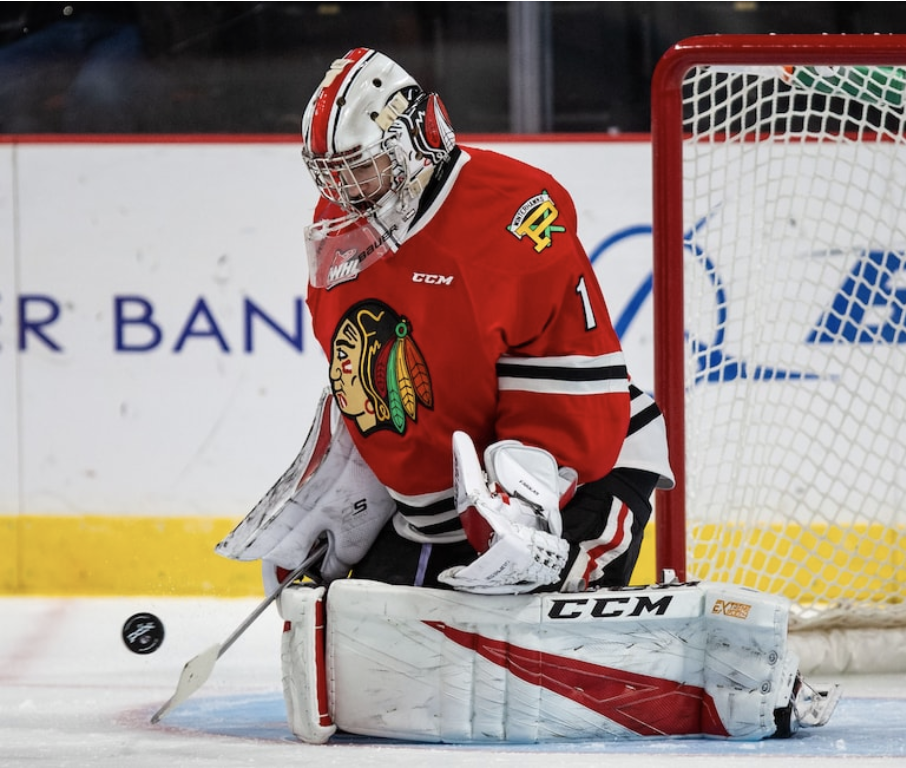
The butterfly save has become the foundation of modern goaltending, yet surprisingly little research has examined how elite goaltenders move while performing it. Hip and groin injuries remain among the most common health concerns in the position, but the relationship between movement strategy and hip and groin health is still not well understood.
This study aims to improve our understanding of the movement demands placed on modern goaltenders and how these demands relate to hip and groin health.
Assessment Method
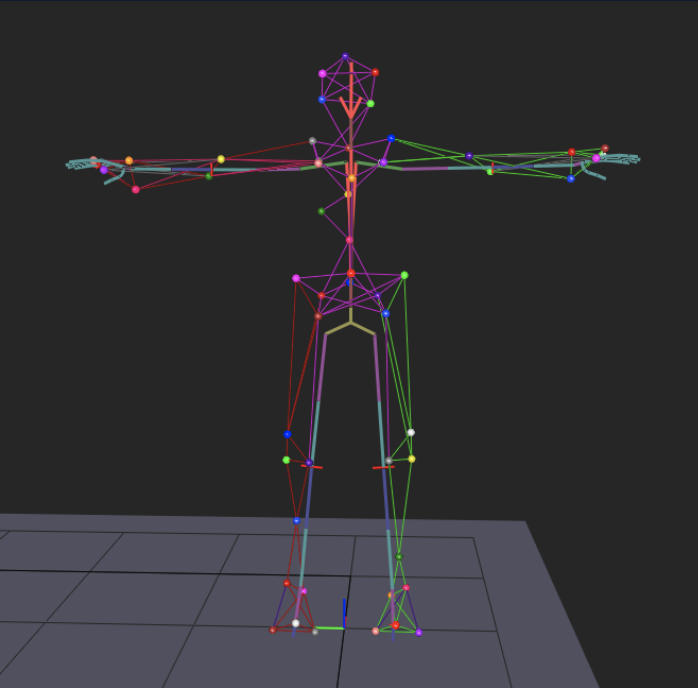
Participants will complete a sport-specific assessment using the Dynamic Athletic Research Institute (DARI) markerless 3D motion capture system. During testing, participants will perform a series of butterfly drops while wearing their own goaltending equipment on a synthetic ice surface.
Three-dimensional movement data from the trunk, pelvis, hips, and lower extremities will be combined with the Copenhagen Hip and Groin Outcome Score (HAGOS) and a brief hip and groin injury history questionnaire. Together, these measures will be used to examine the relationship between butterfly biomechanics, hip and groin health, and previous injury in elite ice hockey goaltenders.
Your Contribution
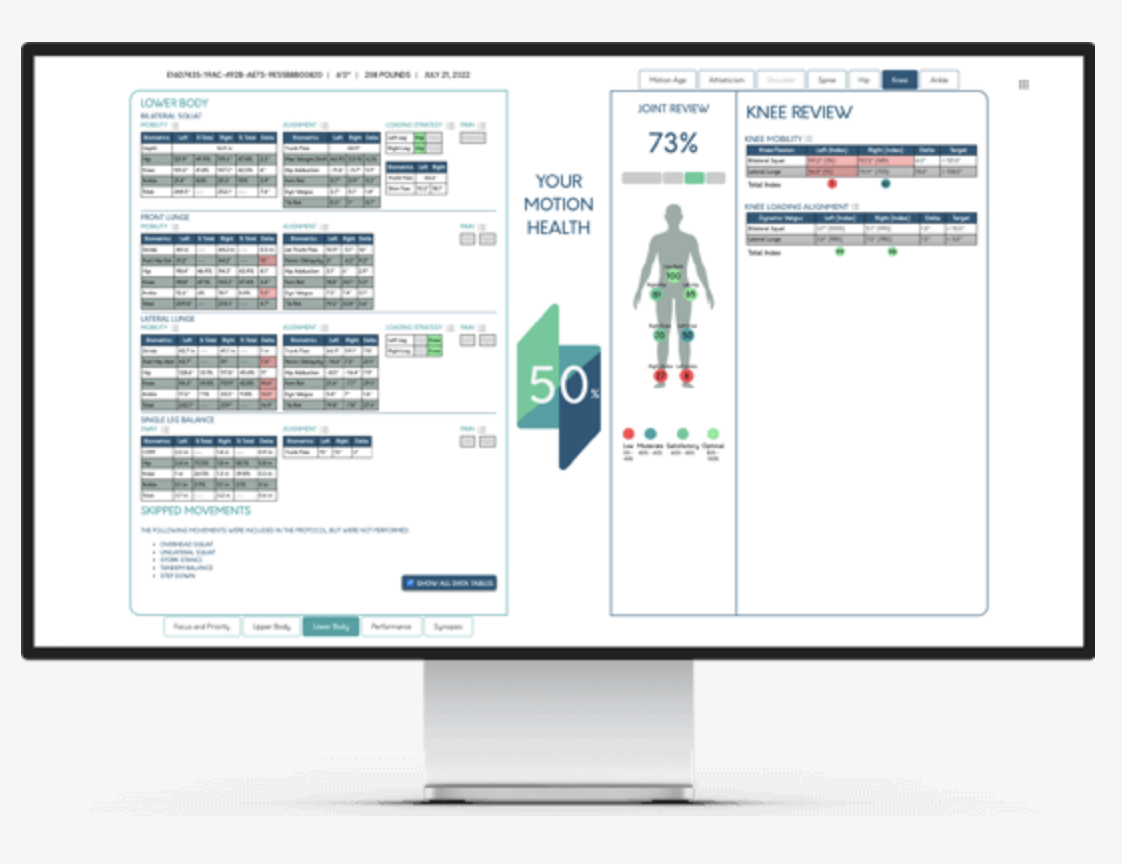
Every participant plays an important role in advancing our understanding of elite goaltender biomechanics. In addition to contributing to goalie-specific research, participants will receive an individualized DARI movement report summarizing their assessment.
The findings from this study may help improve future goaltender assessment and our understanding of the movement demands associated with hip and groin health. By participating, you are helping build the evidence needed to better support the next generation of ice hockey goaltenders.